Classics
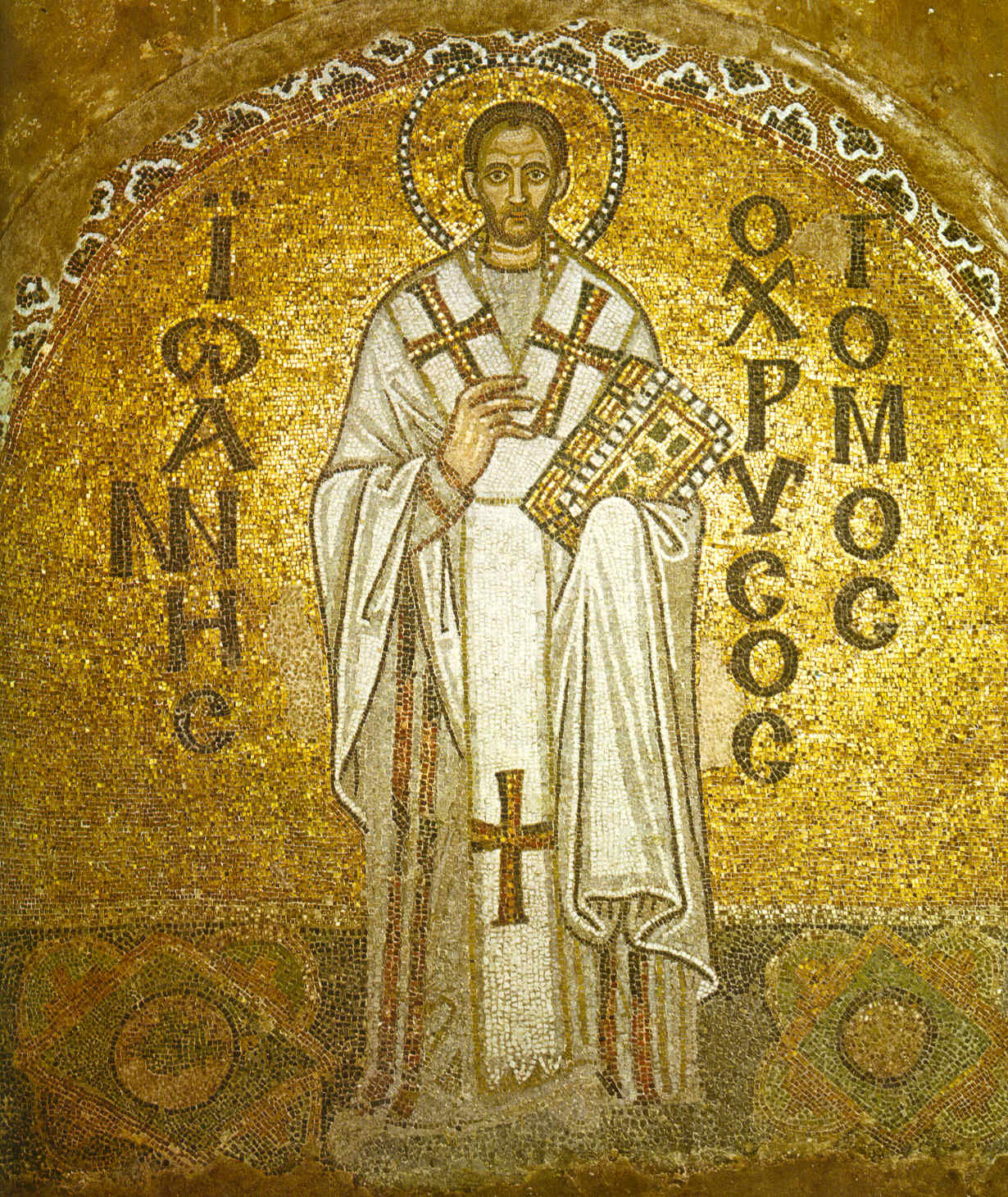
Early Church · 398
No One Can Harm the Man Who Does Not Injure Himself
John Chrysostom (c. 347-407)
Chrysostom's bold paradox argues that no external circumstance, whether poverty, slander, exile, or death, can injure a person of genuine virtue, because virtue consists not in wealth or reputation but in the soul's disposition before God. The treatise ranges across Scripture from Job to Lazarus, from the three children in Babylon to the apostle Paul, building a cumulative case that what appears as harm becomes occasion for greater glory in the righteous. Written around 398 AD as Archbishop of Constantinople, it stands as one of the most searching explorations of Christian equanimity in the patristic tradition, answering the perennial accusation that God's providence leaves the godly to suffer while the wicked prosper.
59 min total · 7 chapters