TheosIndex is a free study library for the Bible and the Christian faith. Read verse by verse Bible commentary, search a Bible dictionary, build custom Bible reading plans, follow topical study roadmaps, read classic Christian books, and find a church, a Christian bookstore, or an event near you.
Every resource is free to use. Draw on trusted commentary, reading schedules, memory verses, daily devotionals, and sermons from Spurgeon and Calvin, all sourced from classic biblical scholarship trusted by pastors and scholars for centuries.
Explore the Bible and Christianity
Quick links
Daily Devotionals
A reading for today
Memory Verses
Verses for memory and prayer
Topical Roadmaps
Guided Scripture learning paths
Christian Classics
Classic Christian books, free
Explore the Bible and Christianity
Study the Bible, explore the faith, and find a community near you.
Memory Verses
Verses for memory and prayer
Key verses from Scripture to reflect on and memorize.
Topical Roadmaps
Guided Scripture learning paths
Learning paths with key passages and resources.
Christian Classics
Classic Christian books, free
Great works of Christian literature, free to read.
Sourced from classic biblical scholarship, trusted by pastors and scholars for centuries.
Christian Classics
Browse all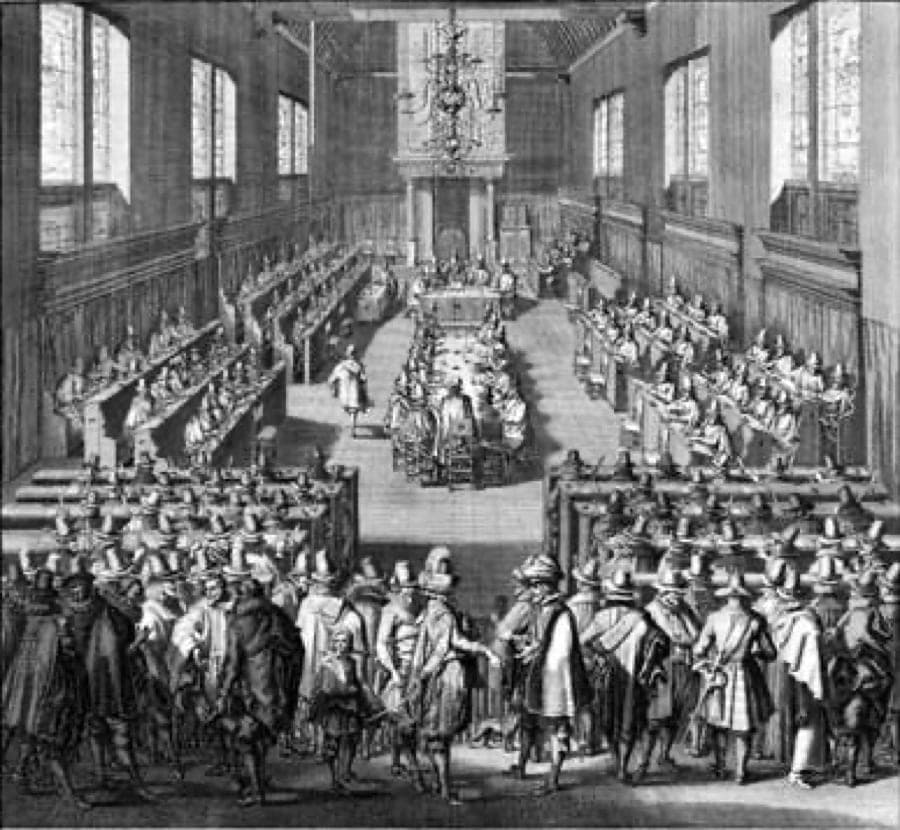
Produced by an international Reformed synod convened to address the Arminian controversy, the Canons of Dort define the five heads of Calvinist soteriology: total depravity, unconditional election, definite atonement, irresistible grace, and perseverance of the saints.
Canons of Dort
Synod of Dort
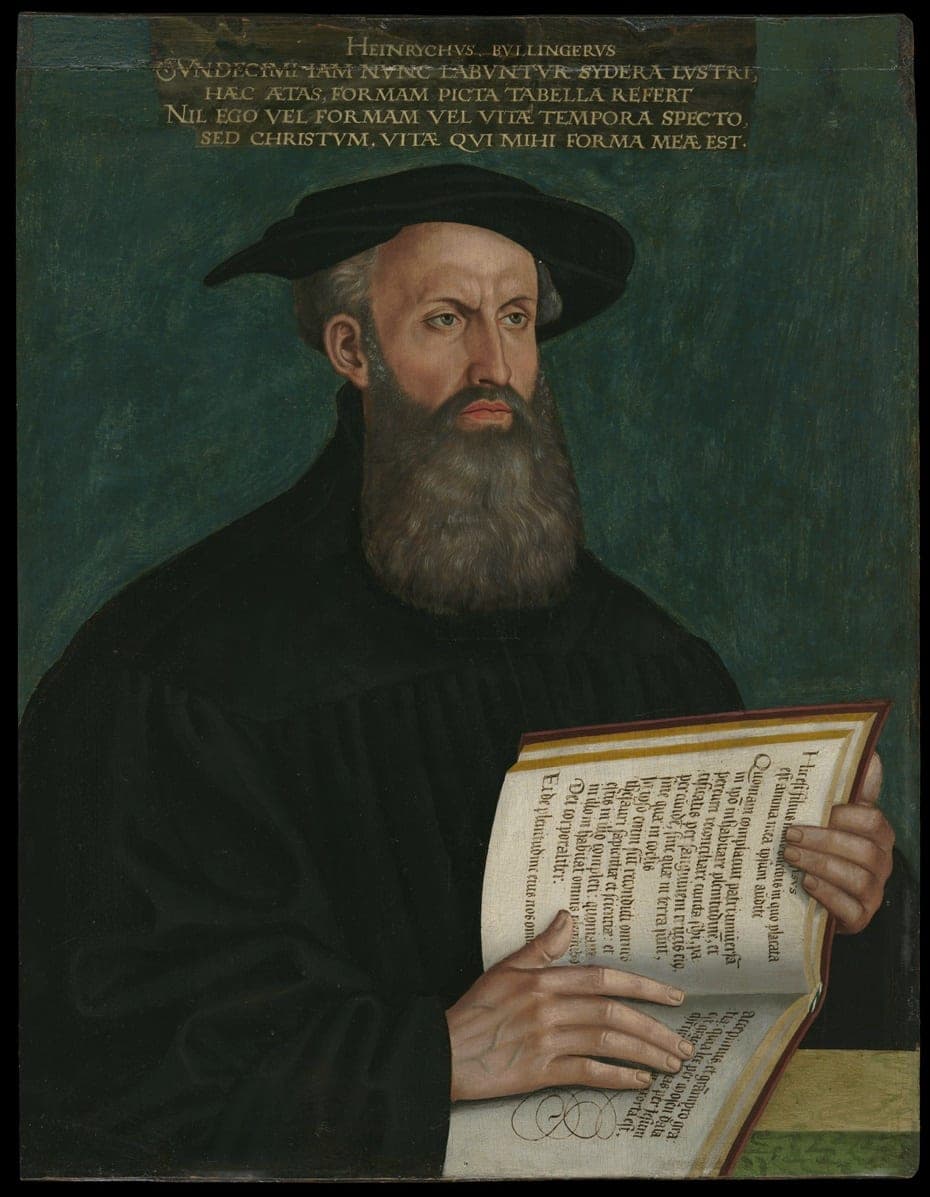
Bullinger wrote this confession privately in 1561 as a personal statement of faith, then shared it with Elector Frederick III of the Palatinate in 1566, after which it was published and rapidly adopted by Reformed churches across Switzerland, Scotland, Hungary, Poland, and France. It is the most comprehensive of the sixteenth-century Reformed confessions, covering Scripture, the Trinity, election, the sacraments, church government, and civil magistracy across 30 chapters. Its reception across such a breadth of national churches gave it the widest ecumenical reach of any Reformation-era confession.
Second Helvetic Confession
Heinrich Bullinger
Thomas Brooks catalogues the specific tactics Satan uses against the soul and pairs each with remedies drawn from scripture, written with the pastoral heat of a London Puritan minister who believed spiritual warfare was the daily reality of every Christian. First published in 1652 and dedicated to the Parliament of England, the book went through multiple editions in Brooks' own lifetime and has been reprinted in every century since. Brooks writes not for the scholar but for the congregant, matching each device not with abstract doctrine but with concrete, applicable counsel.
Precious Remedies Against Satan's Devices
Thomas Brooks
Written by Guido de Brès to distinguish Reformed believers from Anabaptists, this confession of 37 articles covers Scripture, the Trinity, creation, salvation, the church, and the sacraments. It became one of the foundational confessions of the Dutch and Belgian Reformed tradition.
Belgic Confession
Guido de Brès
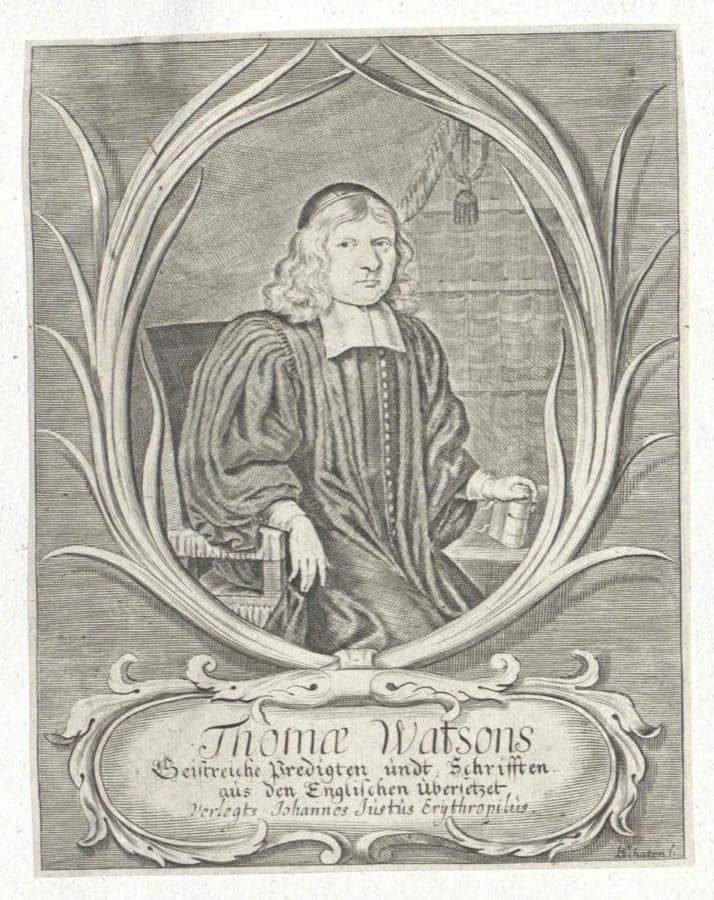
A thorough and searching treatment of true repentance. Watson identifies the essential ingredients of genuine repentance and exposes the counterfeits that leave the soul unchanged, insisting throughout that repentance is not a single act but a lifelong posture of the heart.
The Doctrine of Repentance
Thomas Watson
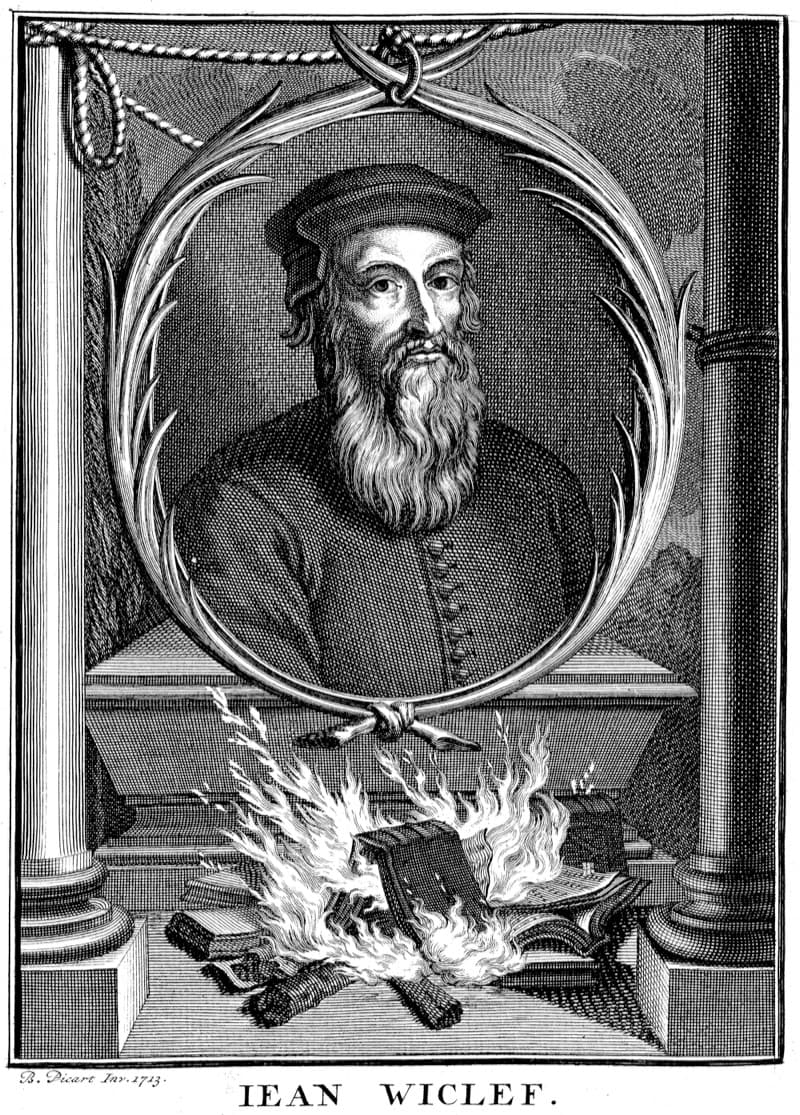
A three-part defence of itinerant poor priests who refuse to hold church livings, arguing from Scripture and patristic example that simony, the corruption of the benefice system, and the duty to preach freely make such refusal a matter of conscience. Written near the end of Wycliffe's life, it articulates the ecclesiological foundation of the Lollard preaching movement and its challenge to the institutional church.
Why Poor Priests Have No Benefices
John Wycliffe
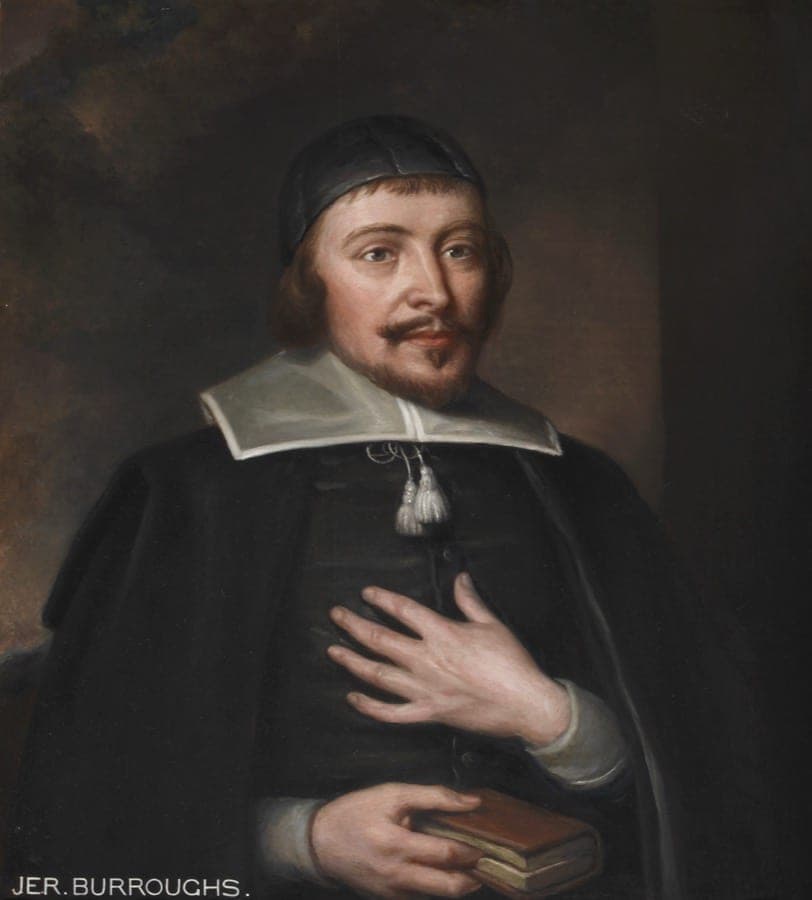
Drawn from Philippians 4:11, this treatise argues that contentment is not passive resignation but a learned grace: an active inward disposition that comes from knowing God, knowing oneself, and drawing on the sufficiency of Christ. Burroughs delivered these sermons to his London congregation during the upheaval of the English Civil War, and the book was published posthumously in 1648. Among Puritan works on the inner life, it is distinguished by pastoral warmth and precise application.
The Rare Jewel of Christian Contentment
Jeremiah Burroughs
A short, urgent call to prayerful ministry drawn from the lives of men who shaped history through prayer. Bounds argues that the chief business of the preacher is prayer, and that a prayerless ministry is the deepest weakness of the church. Compiled from his manuscripts and widely read by pastors and evangelists throughout the twentieth century.
Power Through Prayer
E.M. Bounds
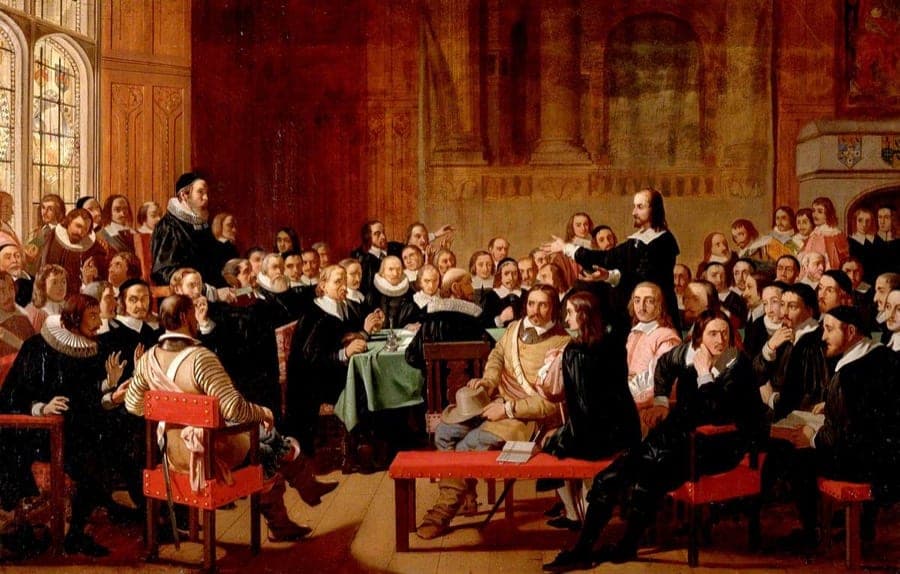
The doctrinal standard of the Westminster Assembly, covering Scripture, God, the decrees, the covenant, Christ, justification, sanctification, the church, the sacraments, and the last things across 33 chapters. The most influential confession in English-speaking Presbyterianism.
Westminster Confession of Faith
Westminster Assembly
Produced by an international Reformed synod convened to address the Arminian controversy, the Canons of Dort define the five heads of Calvinist soteriology: total depravity, unconditional election, definite atonement, irresistible grace, and perseverance of the saints.
Canons of Dort
Synod of Dort
Bullinger wrote this confession privately in 1561 as a personal statement of faith, then shared it with Elector Frederick III of the Palatinate in 1566, after which it was published and rapidly adopted by Reformed churches across Switzerland, Scotland, Hungary, Poland, and France. It is the most comprehensive of the sixteenth-century Reformed confessions, covering Scripture, the Trinity, election, the sacraments, church government, and civil magistracy across 30 chapters. Its reception across such a breadth of national churches gave it the widest ecumenical reach of any Reformation-era confession.
Second Helvetic Confession
Heinrich Bullinger
Thomas Brooks catalogues the specific tactics Satan uses against the soul and pairs each with remedies drawn from scripture, written with the pastoral heat of a London Puritan minister who believed spiritual warfare was the daily reality of every Christian. First published in 1652 and dedicated to the Parliament of England, the book went through multiple editions in Brooks' own lifetime and has been reprinted in every century since. Brooks writes not for the scholar but for the congregant, matching each device not with abstract doctrine but with concrete, applicable counsel.
Precious Remedies Against Satan's Devices
Thomas Brooks
Written by Guido de Brès to distinguish Reformed believers from Anabaptists, this confession of 37 articles covers Scripture, the Trinity, creation, salvation, the church, and the sacraments. It became one of the foundational confessions of the Dutch and Belgian Reformed tradition.
Belgic Confession
Guido de Brès
A thorough and searching treatment of true repentance. Watson identifies the essential ingredients of genuine repentance and exposes the counterfeits that leave the soul unchanged, insisting throughout that repentance is not a single act but a lifelong posture of the heart.
The Doctrine of Repentance
Thomas Watson
A three-part defence of itinerant poor priests who refuse to hold church livings, arguing from Scripture and patristic example that simony, the corruption of the benefice system, and the duty to preach freely make such refusal a matter of conscience. Written near the end of Wycliffe's life, it articulates the ecclesiological foundation of the Lollard preaching movement and its challenge to the institutional church.
Why Poor Priests Have No Benefices
John Wycliffe
Drawn from Philippians 4:11, this treatise argues that contentment is not passive resignation but a learned grace: an active inward disposition that comes from knowing God, knowing oneself, and drawing on the sufficiency of Christ. Burroughs delivered these sermons to his London congregation during the upheaval of the English Civil War, and the book was published posthumously in 1648. Among Puritan works on the inner life, it is distinguished by pastoral warmth and precise application.
The Rare Jewel of Christian Contentment
Jeremiah Burroughs
A short, urgent call to prayerful ministry drawn from the lives of men who shaped history through prayer. Bounds argues that the chief business of the preacher is prayer, and that a prayerless ministry is the deepest weakness of the church. Compiled from his manuscripts and widely read by pastors and evangelists throughout the twentieth century.
Power Through Prayer
E.M. Bounds
The doctrinal standard of the Westminster Assembly, covering Scripture, God, the decrees, the covenant, Christ, justification, sanctification, the church, the sacraments, and the last things across 33 chapters. The most influential confession in English-speaking Presbyterianism.
Westminster Confession of Faith
Westminster Assembly
Produced by an international Reformed synod convened to address the Arminian controversy, the Canons of Dort define the five heads of Calvinist soteriology: total depravity, unconditional election, definite atonement, irresistible grace, and perseverance of the saints.
Canons of Dort
Synod of Dort
Bullinger wrote this confession privately in 1561 as a personal statement of faith, then shared it with Elector Frederick III of the Palatinate in 1566, after which it was published and rapidly adopted by Reformed churches across Switzerland, Scotland, Hungary, Poland, and France. It is the most comprehensive of the sixteenth-century Reformed confessions, covering Scripture, the Trinity, election, the sacraments, church government, and civil magistracy across 30 chapters. Its reception across such a breadth of national churches gave it the widest ecumenical reach of any Reformation-era confession.
Second Helvetic Confession
Heinrich Bullinger
Thomas Brooks catalogues the specific tactics Satan uses against the soul and pairs each with remedies drawn from scripture, written with the pastoral heat of a London Puritan minister who believed spiritual warfare was the daily reality of every Christian. First published in 1652 and dedicated to the Parliament of England, the book went through multiple editions in Brooks' own lifetime and has been reprinted in every century since. Brooks writes not for the scholar but for the congregant, matching each device not with abstract doctrine but with concrete, applicable counsel.
Precious Remedies Against Satan's Devices
Thomas Brooks
Written by Guido de Brès to distinguish Reformed believers from Anabaptists, this confession of 37 articles covers Scripture, the Trinity, creation, salvation, the church, and the sacraments. It became one of the foundational confessions of the Dutch and Belgian Reformed tradition.
Belgic Confession
Guido de Brès
A thorough and searching treatment of true repentance. Watson identifies the essential ingredients of genuine repentance and exposes the counterfeits that leave the soul unchanged, insisting throughout that repentance is not a single act but a lifelong posture of the heart.
The Doctrine of Repentance
Thomas Watson
A three-part defence of itinerant poor priests who refuse to hold church livings, arguing from Scripture and patristic example that simony, the corruption of the benefice system, and the duty to preach freely make such refusal a matter of conscience. Written near the end of Wycliffe's life, it articulates the ecclesiological foundation of the Lollard preaching movement and its challenge to the institutional church.
Why Poor Priests Have No Benefices
John Wycliffe
Drawn from Philippians 4:11, this treatise argues that contentment is not passive resignation but a learned grace: an active inward disposition that comes from knowing God, knowing oneself, and drawing on the sufficiency of Christ. Burroughs delivered these sermons to his London congregation during the upheaval of the English Civil War, and the book was published posthumously in 1648. Among Puritan works on the inner life, it is distinguished by pastoral warmth and precise application.
The Rare Jewel of Christian Contentment
Jeremiah Burroughs
A short, urgent call to prayerful ministry drawn from the lives of men who shaped history through prayer. Bounds argues that the chief business of the preacher is prayer, and that a prayerless ministry is the deepest weakness of the church. Compiled from his manuscripts and widely read by pastors and evangelists throughout the twentieth century.
Power Through Prayer
E.M. Bounds
The doctrinal standard of the Westminster Assembly, covering Scripture, God, the decrees, the covenant, Christ, justification, sanctification, the church, the sacraments, and the last things across 33 chapters. The most influential confession in English-speaking Presbyterianism.
Westminster Confession of Faith
Westminster Assembly
Get notified when we add something new
New Puritan classics, devotionals, and reading plans, sent occasionally. No spam, and you can unsubscribe anytime.